
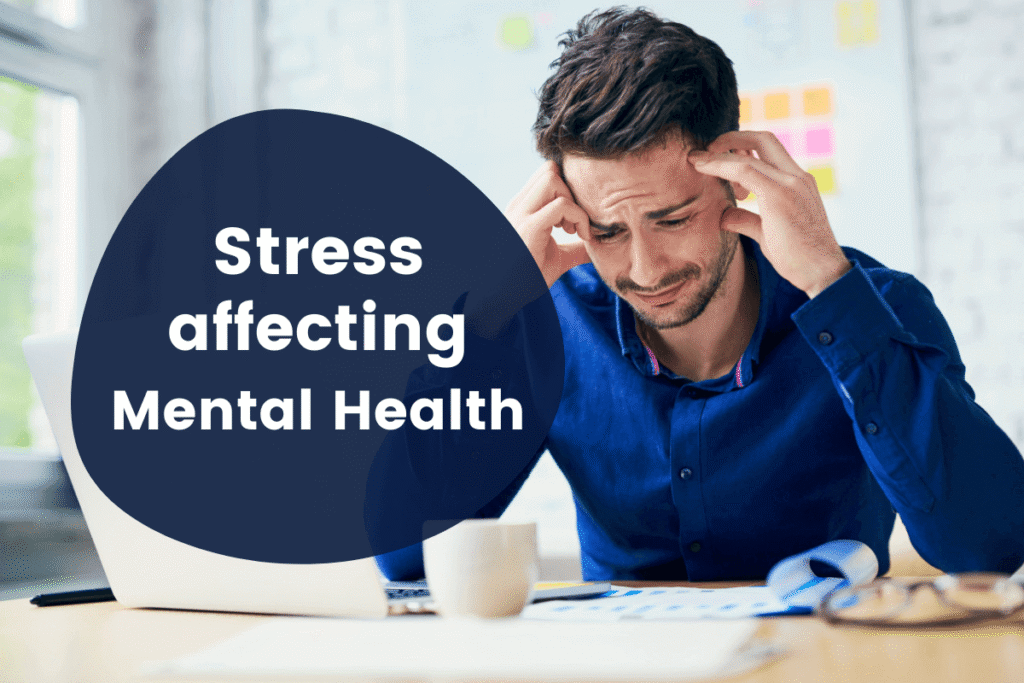
Stress is a natural part of life. Everyone experiences stress at some point, whether it comes from work responsibilities, financial pressures, family obligations, or unexpected life events. In small amounts, stress can actually be helpful—it can motivate us to meet deadlines, solve problems, and stay alert. However, when stress becomes constant or overwhelming, it can have a serious impact on both physical and mental health.
What Is Stress?
Stress is the body’s natural response to challenging or demanding situations. When you encounter a stressful event, your body releases hormones such as cortisol and adrenaline. These hormones trigger the “fight or flight” response, preparing your body to react quickly.
While this response can be helpful in short bursts, long-term or chronic stress can keep the body in a constant state of alertness, which can negatively affect emotional well-being and overall mental health.
How Stress Impacts Mental Health
When stress continues over long periods of time, it can contribute to a variety of mental health challenges. Some of the most common ways stress affects mental health include:
Increased Anxiety
Chronic stress can lead to persistent worry and feelings of being overwhelmed. This can develop into anxiety disorders, making it difficult to relax, focus, or feel at ease.
Depression
Long-term stress can drain emotional energy and create feelings of hopelessness, sadness, and lack of motivation. Over time, this may contribute to symptoms of depression.
Difficulty Concentrating
Stress can make it hard to focus, think clearly, or make decisions. Many people experiencing high stress report memory issues, forgetfulness, or mental fatigue.
Sleep Problems
Stress often interferes with sleep patterns. Racing thoughts, worry, and tension can make it difficult to fall asleep or stay asleep, which further impacts mood and mental clarity.
Emotional Changes
People dealing with chronic stress may become more irritable, frustrated, or emotionally sensitive. Small problems may feel overwhelming, and mood swings may become more common.
Physical Effects That Impact Mental Health
Stress doesn’t just affect the mind—it also affects the body. Physical symptoms of stress can include headaches, muscle tension, fatigue, digestive issues, and a weakened immune system. When these physical symptoms persist, they can worsen mental health by increasing discomfort, frustration, and emotional exhaustion.
Healthy Ways to Manage Stress
Managing stress is an important part of maintaining mental well-being. Some effective strategies include:
-
Regular physical activity
-
Practicing mindfulness or meditation
-
Maintaining healthy sleep habits
-
Setting boundaries with work and personal responsibilities
-
Talking with supportive friends, family members, or a mental health professional
Learning healthy coping strategies can help reduce the impact of stress and improve overall emotional resilience.
When to Seek Professional Support
If stress begins to interfere with daily life, relationships, work performance, or overall happiness, it may be time to seek professional support. Mental health professionals can help identify the sources of stress and provide tools and strategies to manage it more effectively.
Therapy, counseling, and stress management techniques can make a significant difference in helping individuals regain balance and improve their quality of life.
Taking care of your mental health is just as important as taking care of your physical health. With the right support and guidance, it is possible to reduce stress and build healthier coping habits for the future.
Reach out to us to schedule an appointment today.