
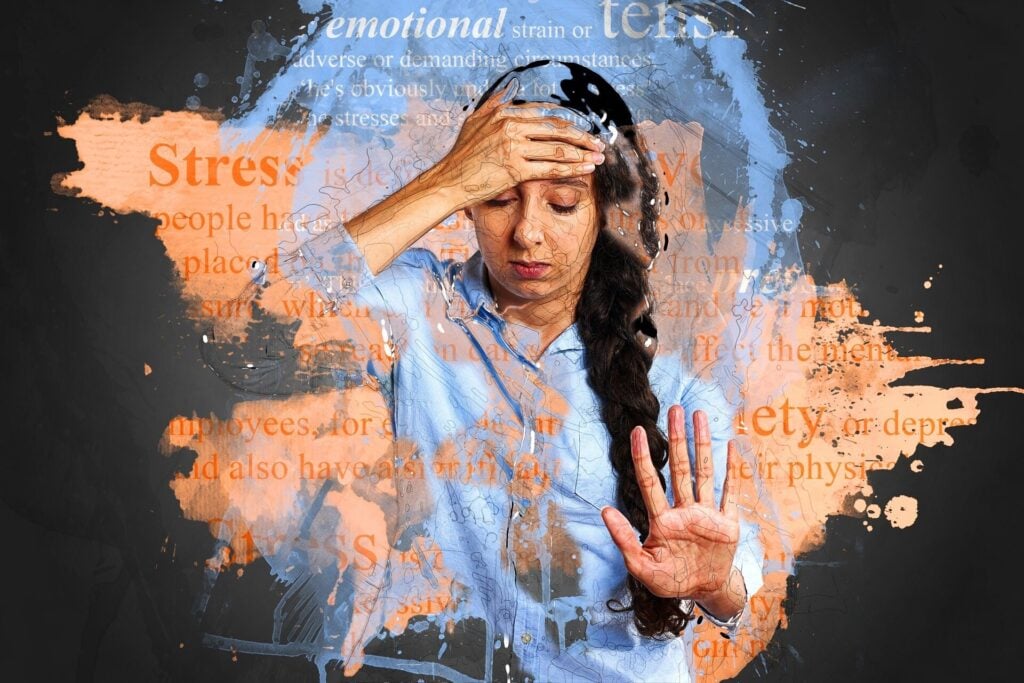
Anxiety is a normal part of life. It’s our body’s natural response to stress, uncertainty, or perceived danger. But when anxiety becomes persistent, overwhelming, or interferes with daily life, it may be classified as an anxiety disorder.
Anxiety disorders are among the most common mental health conditions, affecting millions of people each year. The good news is that they are highly treatable — and you don’t have to manage them alone.
What Are Anxiety Disorders?
Anxiety disorders go beyond occasional worry or nervousness. They involve excessive fear, anxious thoughts, or behavioral disturbances that can impact work, relationships, sleep, and overall well-being.
Common types of anxiety disorders include:
Generalized Anxiety Disorder (GAD) – Ongoing, excessive worry about everyday situations.
Panic Disorder – Recurring panic attacks with sudden feelings of intense fear.
Social Anxiety Disorder – Intense fear of social situations or being judged by others.
Specific Phobias – Strong fear of particular objects or situations.
Separation Anxiety Disorder – Persistent fear of being away from loved ones.
Each person’s experience with anxiety is unique. Symptoms can range from mild to severe and may develop gradually or appear suddenly.
Common Symptoms of Anxiety
Anxiety can affect both the mind and body. Symptoms may include:
Constant worrying or racing thoughts
Restlessness or feeling “on edge”
Difficulty concentrating
Irritability
Muscle tension
Rapid heartbeat
Shortness of breath
Trouble sleeping
Digestive discomfort
If these symptoms persist for weeks or months and interfere with your daily life, it may be time to seek professional support.
Why Anxiety Happens
Anxiety disorders can develop due to a combination of factors, including:
Genetics
Brain chemistry
Life stressors or trauma
Chronic stress
Major life changes
It’s important to understand that anxiety is not a personal weakness. It is a medical and psychological condition — and effective help is available.
How We Can Help
At our practice, we provide compassionate, evidence-informed care tailored to your individual needs. Our goal is not just to reduce symptoms, but to help you build long-term resilience and confidence.
Personalized Treatment Plans
We take time to understand your experiences, triggers, and goals before creating a customized care plan.
Therapy Options
Therapeutic approaches may include:
Cognitive and behavioral strategies
Mindfulness-based techniques
Stress management tools
Trauma-informed care
Supportive counseling
Medication Management (If Appropriate)
For some individuals, medication may be a helpful component of treatment. When appropriate, we carefully evaluate and monitor options to ensure safe and effective support.
Ongoing Support
Recovery is a journey. We provide consistent follow-up, progress tracking, and adjustments as needed to ensure you continue moving forward.
When to Reach Out
Consider seeking help if:
Anxiety feels uncontrollable
You avoid situations because of fear
Panic attacks occur
Sleep is regularly disrupted
Anxiety is affecting your work or relationships
Early intervention can make a significant difference.
You Don’t Have to Face Anxiety Alone
Living with anxiety can feel isolating — but support is available. With the right guidance, many people experience meaningful improvement and regain a sense of balance and control.
If you or someone you love is struggling with anxiety, we are here to help. Reach out today to take the first step toward feeling better and living with greater peace and confidence.