
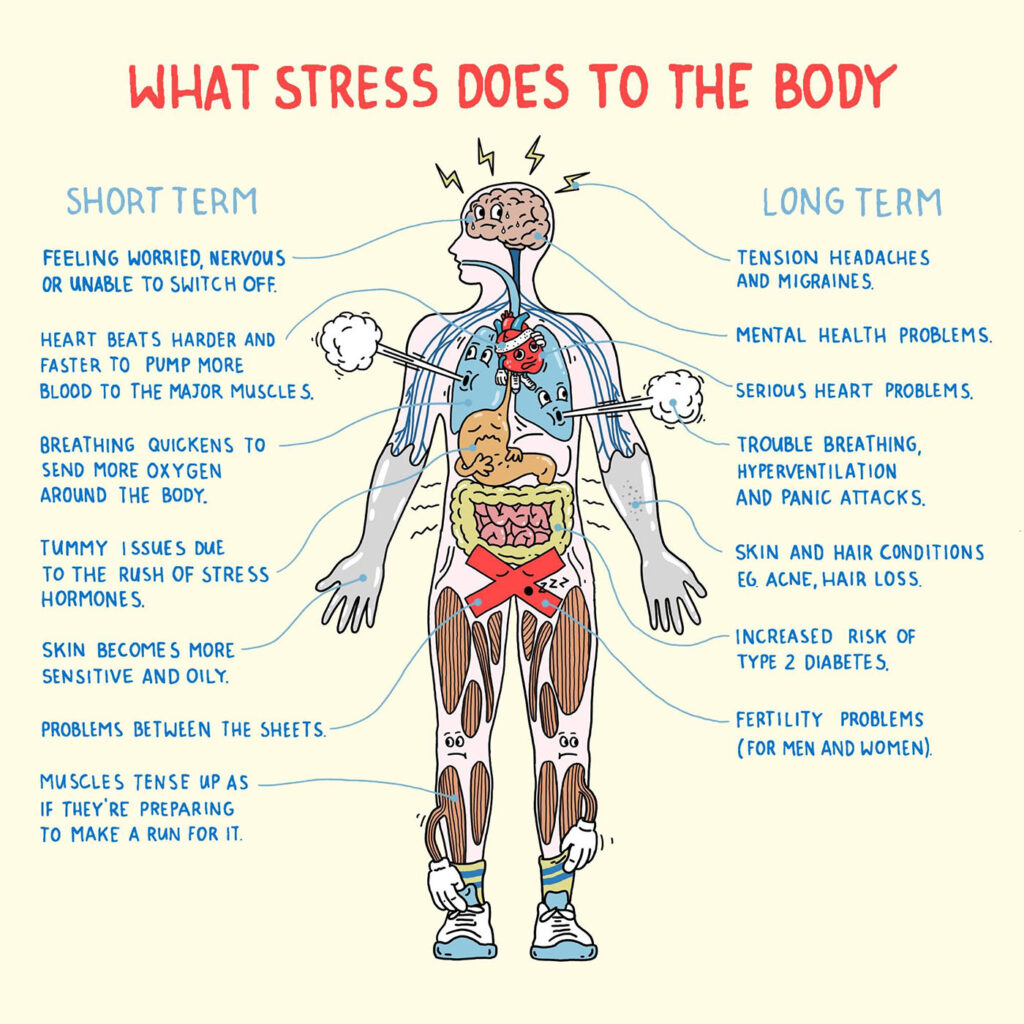
Stress is a natural part of life—but when it becomes chronic, it can quietly impact nearly every system in your body. While short bursts of stress can actually be helpful (like giving you the energy to meet a deadline or react quickly in a dangerous situation), ongoing stress creates a very different picture—one that can take a serious toll on your health.
The Stress Response: What Happens First
When you experience stress, your body activates its “fight-or-flight” response. Hormones like cortisol and adrenaline are released, increasing your heart rate, blood pressure, and alertness. This is helpful in short-term situations—but when this response is constantly triggered, your body doesn’t get the chance to return to a balanced state.
Effects on the Brain
Chronic stress can interfere with memory, focus, and mood. Elevated cortisol levels over time may shrink areas of the brain responsible for learning and memory, while increasing the risk of anxiety and depression. You may find yourself feeling overwhelmed, forgetful, or mentally drained more often than usual.
Impact on the Heart and Cardiovascular System
Stress puts extra strain on your heart. It can increase blood pressure and contribute to inflammation in the arteries, raising the risk of heart disease, heart attacks, and strokes. People under chronic stress may also adopt unhealthy coping habits—like poor diet or lack of exercise—that further impact heart health.
Digestive System Disruptions
Your gut is highly sensitive to stress. Chronic stress can lead to symptoms like stomach pain, bloating, constipation, or diarrhea. It may also worsen conditions like irritable bowel syndrome (IBS) or acid reflux. This happens because stress affects how quickly food moves through your digestive tract and how well nutrients are absorbed.
Immune System Suppression
When stress hormones remain elevated, your immune system becomes less effective. This can make you more susceptible to infections, slow down healing, and increase inflammation in the body. Over time, this weakened defense system can contribute to more frequent illness.
Hormonal Imbalance
Stress disrupts your body’s hormone balance. It can affect sleep cycles, reproductive hormones, and even metabolism. Many people under chronic stress experience fatigue, weight gain (especially around the abdomen), low libido, or irregular sleep patterns.
Muscle Tension and Pain
Stress often causes muscles to tighten as a protective response. When this tension becomes chronic, it can lead to headaches, neck pain, back pain, and general physical discomfort. Over time, this constant strain can reduce mobility and increase injury risk.
Sleep Disturbances
Stress and sleep have a two-way relationship. High stress makes it harder to fall asleep and stay asleep, and poor sleep increases stress levels. This cycle can quickly lead to chronic fatigue, reduced mental clarity, and a weakened ability to cope with daily challenges.
The Long-Term Consequences
If left unmanaged, chronic stress can contribute to serious health conditions including heart disease, obesity, diabetes, and mental health disorders. The key is recognizing stress early and taking steps to manage it before it becomes overwhelming.
Managing Stress for Better Health
While stress is unavoidable, how you respond to it makes all the difference. Regular exercise, proper nutrition, quality sleep, mindfulness practices, and professional support can all help reduce its impact. Even small daily habits—like taking breaks, getting fresh air, or practicing deep breathing—can make a meaningful difference over time.
Stress doesn’t have to control your life or your health. Understanding how it affects your body is the first step toward taking that control back.
Reach out to us to schedule an appointment today