
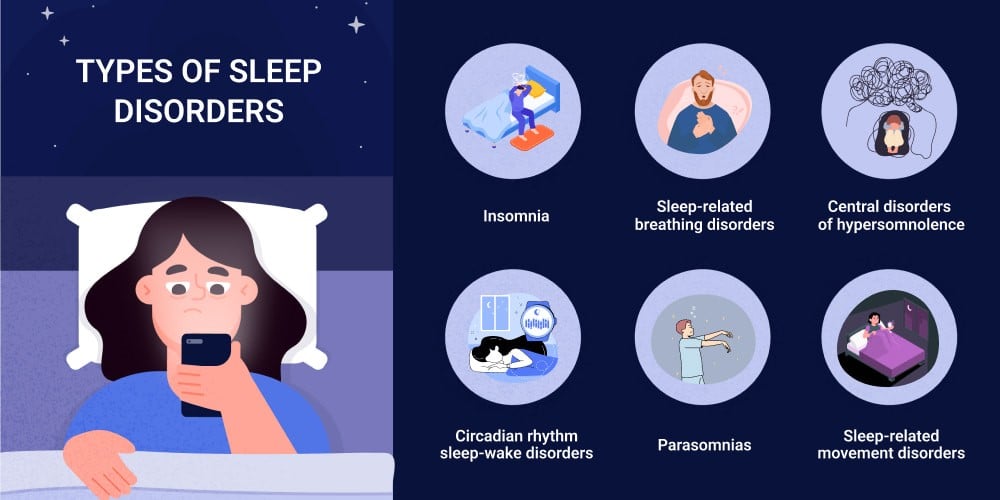
Sleep plays a vital role in maintaining both physical and mental health. When sleep is disrupted consistently, it can lead to fatigue, difficulty concentrating, mood changes, and long-term health issues. Sleep disorders affect millions of people and often go undiagnosed, leaving individuals struggling with symptoms that impact their daily lives. Understanding the different types of sleep disorders can help people recognize when it may be time to seek professional support.
Insomnia
Insomnia is one of the most common sleep disorders. People with insomnia have difficulty falling asleep, staying asleep, or waking up too early and being unable to fall back asleep. Insomnia can be short-term, often triggered by stress or life changes, or chronic, lasting for months or longer. Over time, insomnia can affect mood, energy levels, and overall mental health.
Sleep Apnea
Sleep apnea is a condition where breathing repeatedly stops and starts during sleep. The most common type, obstructive sleep apnea, occurs when the muscles in the throat relax too much and block the airway. This can lead to loud snoring, gasping for air during sleep, and excessive daytime fatigue. Many people with sleep apnea are unaware they have it, but the condition can increase the risk of heart problems and other health concerns if untreated.
Restless Legs Syndrome (RLS)
Restless Legs Syndrome causes an uncomfortable sensation in the legs and an overwhelming urge to move them, especially during periods of rest or at night. This constant need to move the legs can make it extremely difficult to fall asleep or stay asleep. People with RLS often experience disrupted sleep and daytime exhaustion as a result.
Narcolepsy
Narcolepsy is a neurological sleep disorder that affects the brain’s ability to regulate sleep-wake cycles. Individuals with narcolepsy may experience excessive daytime sleepiness and sudden “sleep attacks,” where they fall asleep unexpectedly during the day. Some people also experience muscle weakness triggered by strong emotions, a condition known as cataplexy.
Parasomnias
Parasomnias involve unusual behaviors during sleep. These may include sleepwalking, night terrors, talking during sleep, or acting out dreams. Parasomnias are more common in children but can occur in adults as well. While some episodes are harmless, others can pose safety risks if the individual moves around or becomes disoriented during sleep.
Circadian Rhythm Disorders
Circadian rhythm sleep disorders occur when a person’s internal body clock is out of sync with the normal day-night cycle. This can happen with shift workers, frequent travelers experiencing jet lag, or individuals with delayed sleep phase syndrome. People with these disorders often struggle to fall asleep or wake up at socially acceptable times.
Why Sleep Disorders Matter
Sleep disorders can significantly impact both mental and physical health. Poor sleep can worsen conditions such as anxiety, depression, memory problems, and reduced immune function. Because sleep plays such an essential role in overall wellness, identifying and treating sleep disorders is an important step toward improving quality of life.
Getting Help for Sleep Problems
If you regularly struggle with falling asleep, staying asleep, or feeling rested after sleep, you may be experiencing a sleep disorder. Professional support can help identify the root cause of your sleep challenges and develop effective treatment strategies to restore healthy sleep patterns.
Reach out to us to schedule an appointment today.