
Short Direct Answer
Stress-related muscle tension can be managed through a combination of relaxation techniques, physical activity, mindful practices, and lifestyle adjustments. These approaches can help reduce discomfort, improve relaxation, and support overall well-being.
Key Takeaways
- Stress can cause persistent muscle tension that affects comfort and daily function.
- Relaxation exercises, gentle movement, and mindfulness can ease muscle tightness.
- Maintaining good posture and a balanced lifestyle supports muscle health during stress.
- Consulting a healthcare provider is important if muscle tension causes significant pain or interferes with daily life.
What Is Stress-Related Muscle Tension?
Stress-related muscle tension occurs when your body responds to emotional or mental stress by tightening muscles, often unconsciously. This tension can show up as stiffness, aching, or knots, commonly in areas like the neck, shoulders, back, and jaw. It may affect your ability to relax, sleep well, or concentrate, and can sometimes lead to headaches or discomfort during daily activities.
How Does Stress Cause Muscle Tension?
When you feel stressed, your body activates the “fight or flight” response, releasing stress hormones that prepare muscles for action. If stress is ongoing, muscles may stay tense for prolonged periods, leading to discomfort or pain. This tension can interfere with movement and relaxation, creating a cycle where muscle tightness increases stress, and vice versa.
What Are Common Signs of Stress-Related Muscle Tension?
- Persistent stiffness or tightness in the shoulders, neck, or back
- Jaw clenching or teeth grinding, especially during sleep
- Frequent headaches or migraines
- Difficulty relaxing or feeling physically comfortable
- Muscle aches that worsen with stress or fatigue
How Can I Manage Stress-Related Muscle Tension?
Managing muscle tension caused by stress involves a combination of practical techniques and lifestyle habits. Here are some effective strategies:
1. Practice Relaxation Techniques
Techniques like deep breathing, progressive muscle relaxation, or guided imagery can help your muscles release tension. For example, progressive muscle relaxation involves tensing and then slowly relaxing muscle groups, which promotes awareness and relief.
2. Engage in Regular Physical Activity
Gentle exercise such as walking, swimming, yoga, or stretching can improve blood flow and loosen tight muscles. Consistent movement helps reduce stress and prevents muscles from becoming overly tight.
3. Maintain Good Posture
Poor posture, especially when sitting for long periods at work or home, can increase muscle strain. Ergonomic adjustments, such as a supportive chair or workstation setup, and mindful posture checks can reduce tension.
4. Use Heat or Cold Therapy
Applying a warm compress or taking a warm bath can relax tight muscles, while cold packs may reduce inflammation in painful areas. Choose what feels most soothing for your discomfort.
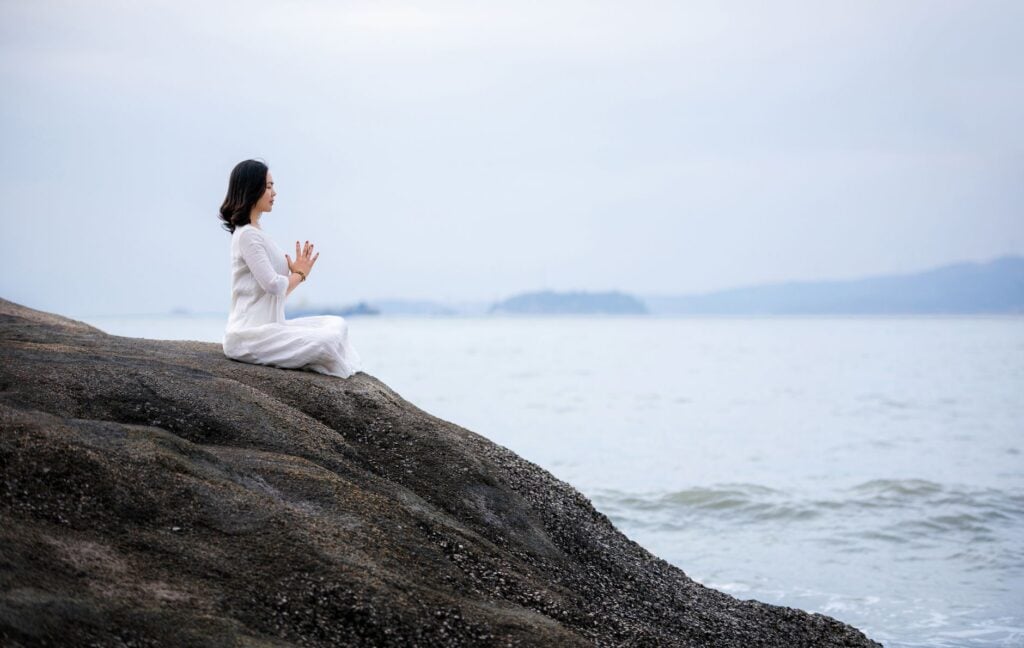
5. Practice Mindfulness and Stress Management
Mindfulness meditation, journaling, or talking with supportive friends or family can help address the root causes of stress. Reducing overall stress levels may decrease muscle tension.
When Should I Speak with a Healthcare Provider?
If muscle tension is severe, persistent, or accompanied by other symptoms such as numbness, weakness, or severe pain, it is important to seek professional evaluation. A healthcare provider can help rule out other causes, offer tailored treatment options, and support your mental health.
Local Relevance
People living within approximately 50 miles of Waterford, Michigan, often experience the challenges of balancing work, family, and seasonal weather changes that can contribute to stress and muscle tension. Access to local parks and recreational centers provides excellent opportunities for outdoor activities like walking or yoga, which can be beneficial for managing muscle tightness. Additionally, local therapists and wellness clinics offer support for those seeking guidance in stress management and muscle relaxation techniques.
Frequently Asked Questions
Can stress-related muscle tension cause headaches?
Yes, muscle tension, especially in the neck and shoulders, can contribute to tension headaches or migraines.
Is it normal to feel muscle tightness after a stressful day?
Yes, many people experience muscle tightness or stiffness as a natural response to stress. It is usually temporary and can be relieved with relaxation and movement.
Can improving sleep help reduce muscle tension?
Improving sleep quality can help your body recover and reduce muscle tension. Good sleep habits support overall stress management.
Are massages helpful for stress-related muscle tension?
Massage therapy can be beneficial for relieving muscle tightness and promoting relaxation, though results may vary by individual.
This article is for informational purposes only and is not a substitute for professional medical advice, diagnosis, or treatment.